Source Recyclable Amber Cosmetic Glass Bottle for Perfume, Essential Oils, and Cosmetics
Compare 30 listings of Recyclable Amber Cosmetic Glass Bottle options from Chinese manufacturers. Buyers can evaluate capacities ranging from 5ml to 100ml, sealing types, and customization services for essential oils and personal care products.
Key considerations
Products List


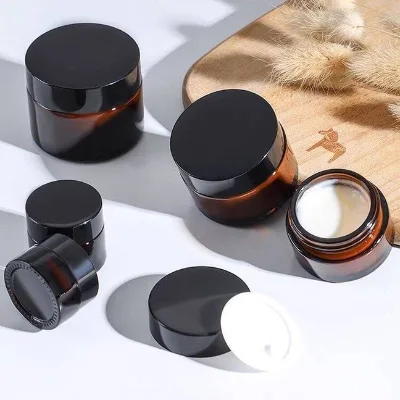
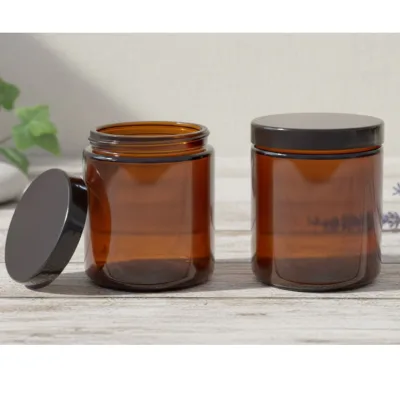
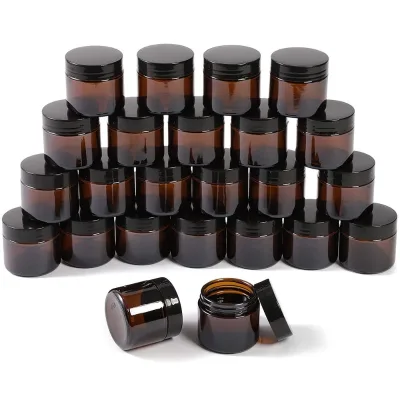
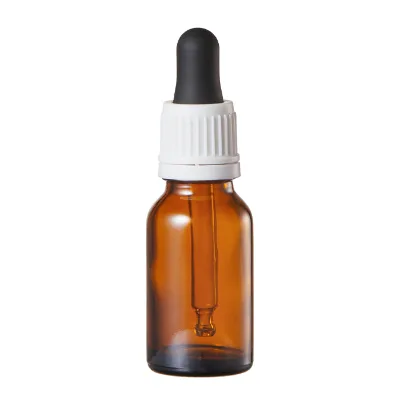
Cosmetic Essential Oil Bottle High Quality Cosmetic Amber Glass Bottle with Cap
$0.10 - $0.18
MOQ: 5000 Pieces




Comprehensive Sourcing Guide
Recyclable Amber Cosmetic Glass Bottle Sourcing Guide
Sourcing recyclable amber cosmetic glass bottles requires a disciplined approach that balances aesthetic appeal with functional integrity. The amber hue is not merely a design choice but a critical protective feature that shields light-sensitive formulations from degradation. Buyers must navigate a market where customization is prevalent, yet standardization remains key to cost efficiency. This guide outlines the essential verification steps, technical parameters, and commercial considerations necessary for securing reliable supply chains for these specialized containers.
The procurement process begins with understanding the specific material properties and manufacturing origins that define quality in this category. Glass offers superior barrier properties against moisture and gases, ensuring product longevity. However, the variability in supplier capabilities, from Hubei to Zhejiang provinces in China, necessitates rigorous due diligence. This guide provides a structured framework for evaluating suppliers, verifying specifications, and mitigating risks associated with fragile, high-volume packaging orders.
Product Scope and Observed Listing Signals
The market for amber glass bottles encompasses a wide range of capacities, typically spanning from 5ml to 100ml, catering to diverse product lines such as essential oils, perfumes, and cosmetic serums. Listings frequently highlight customization options, allowing buyers to tailor bottle shapes, cap types, and packaging solutions to their brand identity. The observed product range includes cylindrical designs with specific dimensions, such as H6.5*D2.8cm for smaller volumes and larger formats like 100ml bottles with distinct neck sizes. These variations require careful alignment with filling equipment and ergonomic handling requirements.
Observed listing signals indicate a strong emphasis on sealing mechanisms and material purity. Common sealing types include outer caps and screw caps, often paired with dropper systems for precise dispensing. The material is consistently identified as glass, with amber coloring providing UV protection. Buyers should note that while many suppliers offer "disposable" features or specific model numbers like NRJYP-26 or K-GB30, the core value lies in the bottle's ability to maintain product integrity. Verification of the actual glass composition and the effectiveness of the amber tint is crucial, as not all amber glass offers equal protection against light exposure.
Technical Specifications to Verify
Verifying neck size and thread compatibility is the first critical technical step in sourcing these bottles. Common neck sizes observed in the market include 18/410 and 22/410, which dictate the type of pump, dropper, or cap that can be used. Mismatches in neck dimensions can lead to leakage or improper sealing, compromising product safety. Buyers must confirm the exact neck finish with their supplier and ensure that any accompanying closures, such as glossy or matte silicone rubber heads, are compatible with the chosen bottle model. This compatibility check extends to the overall height and diameter, which affect shelf space and packaging density.
Capacity and weight specifications provide insight into the bottle's structural integrity and material usage. For instance, a 100ml bottle may weigh approximately 140.7g, while a 30ml variant might weigh around 35g. These weight differences influence shipping costs and breakage risks during transit. Buyers should request detailed dimensional data, including brimful capacity versus actual fill volume, to ensure accurate labeling and compliance with regulatory standards. Additionally, verifying the standard dimensions, such as D5331H141mm for specific models, helps in designing custom packaging and palletization strategies that maximize logistics efficiency.
Compliance and Safety Documentation
Ensuring that the glass bottles meet food-grade or cosmetic-grade safety standards is paramount for protecting end consumers. Buyers must request documentation confirming that the glass is free from harmful contaminants and suitable for direct contact with personal care products. While specific certification names may vary by supplier, the underlying requirement is consistent: the material must not leach substances into the product. This is particularly important for amber glass, where the coloring agents used must also be non-toxic and stable under various storage conditions.
Regulatory compliance extends to labeling and packaging requirements, which vary by destination market. Buyers should verify that the supplier can provide necessary test reports, such as heavy metal migration tests or stability studies, to support product claims. Although specific test results are not universally listed, the expectation is that reputable suppliers will have internal quality control processes in place. Understanding the regulatory landscape of the target market, including EU or US cosmetic regulations, allows buyers to specify the exact documentation needed from their suppliers, reducing the risk of customs delays or product recalls.
Cost Drivers and Commercial Terms
The cost of amber glass bottles is influenced by several factors, including material quality, customization level, and order volume. Prices in the observed range vary significantly, reflecting differences in glass thickness, cap complexity, and packaging standards. Buyers should anticipate that higher customization, such as specific logo printing or unique bottle shapes, will incur additional costs. Additionally, the choice of packaging, whether standard export cartons or specialized shrink wrap, impacts the final price due to material and labor expenses.
Commercial terms, including minimum order quantities (MOQ) and lead times, play a crucial role in budgeting and inventory management. MOQs can range from 5,000 pieces to 50,000 pieces, depending on the supplier and product complexity. Lead times typically span 5 to 10 days for production, excluding shipping duration. Buyers should negotiate clear terms regarding sample availability, as many suppliers offer free samples for evaluation. Understanding these commercial dynamics helps in planning production schedules and avoiding stockouts or excess inventory, ensuring a smooth supply chain operation.
Supplier Qualification and Quality Control
Evaluating supplier qualifications involves assessing their manufacturing capabilities, quality control processes, and track record. Buyers should prioritize suppliers who demonstrate consistent production standards and have experience in exporting to their target markets. Verification of the supplier's origin, whether from Hubei or Zhejiang provinces, can provide insights into their logistical advantages and cost structures. Additionally, checking for any relevant industry certifications or audits can offer assurance of their commitment to quality and ethical manufacturing practices.
Quality control measures should be clearly defined and agreed upon before placing orders. This includes specifications for visual defects, dimensional tolerances, and sealing integrity. Buyers should request a detailed quality assurance plan that outlines inspection points during production and before shipment. Implementing a pre-shipment inspection protocol can help identify and rectify issues early, reducing the risk of receiving defective goods. Establishing a clear communication channel for addressing quality concerns ensures that any discrepancies are resolved promptly, maintaining the integrity of the supply chain.
Long-Term Procurement Checks
Establishing long-term relationships with suppliers requires continuous monitoring of performance metrics and market trends. Buyers should regularly review supplier performance based on delivery times, product quality, and responsiveness to issues. This ongoing evaluation helps in identifying potential risks and opportunities for improvement. Additionally, staying informed about advancements in glass manufacturing technology and packaging design can provide competitive advantages, such as lighter bottles or more sustainable materials.
Sustainability and recyclability are increasingly important factors in long-term procurement strategies. Buyers should assess the supplier's commitment to environmental responsibility, including the use of recycled glass and energy-efficient production processes. Verifying the recyclability of the bottles and their packaging ensures alignment with corporate sustainability goals and consumer expectations. By prioritizing suppliers who demonstrate a genuine commitment to eco-friendly practices, buyers can enhance their brand reputation and contribute to a more sustainable supply chain.
FAQs
What customization options are available for these bottles?
Customization is available for these amber glass bottles to meet specific branding needs. Buyers can request tailored packaging solutions, including customized cartons or pallets, to ensure safe export delivery while maintaining the product's integrity during transit.
Which capacities are offered for the essential oil dropper bottles?
The product line offers capacities ranging from 5ml to 100ml, including specific sizes like 5ml, 10ml, 15ml, 30ml, and 50ml. These sizes are suitable for various applications such as essential oils, perfumes, and cosmetic personal care products.
Can I order samples before placing a bulk order?
Yes, free samples are available for evaluation before committing to a large purchase. This service allows buyers to verify the quality of the amber glass and the functionality of the dropper or screw cap sealing types.
What is the minimum order quantity for these cosmetic bottles?
The minimum order quantity is 5000 pieces for the standard cosmetic dropper bottles. This threshold ensures efficient production runs while allowing buyers to secure the product at competitive pricing levels for their specific business needs.
How long does it take to receive an order after confirmation?
The lead time for production and delivery is typically between 5 to 10 days after order confirmation. This quick turnaround supports urgent procurement needs while maintaining the quality standards required for export packaging.
Which sealing types are compatible with these glass bottles?
These bottles are available with outer cap sealing types as well as screw cap options. The design accommodates various dropper heads, including glossy or matte silicone rubber heads in black or white colors for different cosmetic applications.
Where are these amber glass bottles manufactured?
Manufacturing takes place in China, with specific production facilities located in Hubei and Zhejiang provinces. These regions are known for their glass manufacturing capabilities, ensuring consistent quality and adherence to standard specifications for export.